Navigating fertility treatment while working toward weight management goals can be emotionally and physically complex. Whether you are preparing for IVF, managing PCOS, or looking to optimize natural conception, nutrition plays a critical role in both reproductive health and sustainable weight loss. At Nurse Friend Wellness in Austin, TX, we understand that one-size-fits-all advice simply does not work for the unique needs of patients balancing fertility with weight and hormonal health. This guide offers realistic, evidence-based nutrition strategies to support both your fertility journey and your overall wellness goals.
1. Focus on Whole, Nutrient-Dense Foods
The foundation of fertility-focused nutrition is quality. Choose foods as close to their natural state as possible — rich in vitamins, minerals, antioxidants, and fiber. Key foods to prioritize include leafy greens such as spinach, kale, and arugula; colorful vegetables like peppers, carrots, and squash; whole grains including quinoa, brown rice, and oats; healthy fats from avocados, olive oil, seeds, and nuts; and lean proteins such as chicken, fish, tofu, and eggs. These foods support healthy hormone production, regulate blood sugar, and provide the essential building blocks for optimal reproductive function.

2. Balance Blood Sugar With Every Meal
Insulin resistance — common in conditions like PCOS — can directly interfere with ovulation and hormonal balance. Stabilizing blood sugar helps reduce inflammation and promotes a more favorable hormonal environment for conception. At every meal, combine protein, fiber, and healthy fats; avoid sugary, processed snacks and drinks; and eat at regular intervals to prevent energy crashes and cortisol spikes. For example, a salad with grilled salmon, olive oil dressing, and quinoa will keep blood sugar stable far longer than a plain bagel or fruit smoothie alone.
3. Do Not Fear Healthy Carbohydrates
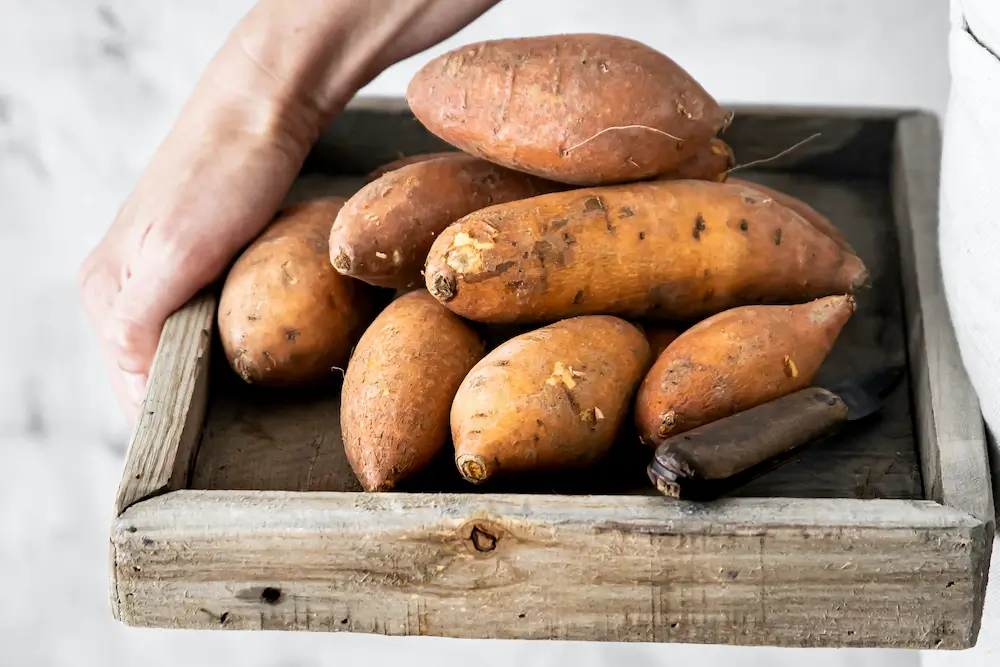
Low-carb or ketogenic diets may seem appealing for weight loss, but overly restrictive carbohydrate intake can backfire when fertility is a priority. Carbohydrates are essential for thyroid function, hormone regulation, and sustained energy. Focus on complex, high-quality carbohydrates such as sweet potatoes, lentils and legumes, steel-cut oats, and whole grain bread. Moderation and portion control — not elimination — is the key to making carbohydrates work for both your weight and fertility goals.
4. Support Gut Health for Hormonal Balance
A healthy gut plays a vital role in metabolizing estrogen and supporting immune function. An imbalance in gut bacteria — known as dysbiosis — can lead to chronic inflammation and hormone disruption that impacts both fertility and weight management. Prioritize gut-friendly foods including fermented options like kefir, sauerkraut, kimchi, and yogurt; high-fiber foods like flaxseed, beans, and berries; and prebiotic-rich vegetables such as garlic, leeks, and onions. If you experience regular bloating, irregularity, or have a history of frequent antibiotic use, a high-quality probiotic supplement may also be beneficial.
5. Identify and Reduce Inflammatory Foods
Chronic inflammation can hinder both weight loss and fertility. While individual triggers vary, common inflammatory culprits include refined sugars and flours, fried foods, highly processed meats, and artificial additives and sweeteners. Keeping a food journal or trying a structured elimination approach can help you identify your personal triggers. Incorporate anti-inflammatory foods such as turmeric, green tea, ginger, and wild-caught salmon to help counteract systemic inflammation and support a healthier hormonal environment.
6. Prioritize Hydration and Electrolyte Balance
Adequate hydration supports cervical mucus production, metabolic function, and energy levels — all of which are especially important during fertility treatments and weight loss efforts. Aim to drink at least half your body weight in ounces of water per day. Add electrolyte tablets or a pinch of sea salt if you sweat heavily or are following a lower-carb nutrition plan. Limit caffeine and alcohol, both of which can dehydrate the body and disrupt hormone levels. For rapid nutrient replenishment and optimal fluid balance — particularly during intensive fertility cycles or high-stress periods — IV hydration therapy offers a highly effective clinical solution.
7. Address Emotional Eating and Stress-Based Cravings
Fertility treatment can be emotionally intense, and it is entirely common to turn to food for comfort during stressful periods. Developing awareness around emotional hunger versus physical hunger is a powerful and practical tool. Practice mindful eating by pausing and checking in before meals; journal your feelings and hunger cues; plan for nourishing comfort foods like dark chocolate or herbal tea; and avoid overly restrictive approaches that can trigger binge cycles. Working with a clinician who understands these emotional layers can make your nutrition plan far more sustainable and compassionate.
8. Optimize Key Fertility Nutrients
Certain vitamins and minerals are directly linked to both fertility and weight regulation. Essential nutrients to prioritize include: Folate — Supports early fetal development and healthy ovulation. Found in leafy greens and beans. Vitamin D — Essential for hormone signaling. Sources include sunlight, fortified foods, and supplements. Omega-3 Fatty Acids — Reduce inflammation and support egg quality. Found in fatty fish and chia seeds. Iron — Crucial for ovulation and sustained energy. Found in red meat, lentils, and spinach. Magnesium — Supports insulin sensitivity and stress regulation. Found in almonds, avocado, and bananas. Ask your provider to assess your current nutrient levels and recommend high-quality supplements personalized to your lab results and treatment plan.
9. Eat Enough — Undereating Can Work Against You
Chronic undereating impairs hormone production and can push the body into a stress-driven survival mode that stalls both fertility and weight loss progress. Signs you may not be fueling your body adequately include irregular or missing menstrual cycles, cold sensitivity or hair loss, weight loss plateaus despite consistent effort, low libido, and poor sleep quality. Fertility is a reflection of overall health — fueling your body appropriately is not optional. It supports both reproduction and metabolism in ways that restriction simply cannot.
10. Work With a Fertility-Savvy Wellness Partner
Every fertility journey is uniquely personal. Your goals, lab values, body composition, and medication regimen all influence what nutritional approach will work best for you. Working with a knowledgeable clinical partner provides tailored food guidance based on your lab results and treatment cycles, practical support for adjusting nutrition around hormone injections or egg retrievals, and the emotional accountability that makes long-term change sustainable. At Nurse Friend Wellness, we offer real-world, judgment-free guidance that evolves alongside your needs — every step of the way.
Balancing fertility and weight goals does not require navigating extremes. It is about making consistent, nourishing choices that honor both your body's needs and your bigger picture goals. With a foundation of whole foods, smart blood sugar management, and a realistic, compassionate mindset, you can support your fertility journey without compromising your health or your joy. At Nurse Friend Wellness in Austin, TX, our clinical team is here to provide personalized nutrition guidance, concierge coaching, and fertility support designed specifically for you. Book your consultation today and take the next step with confidence.
Book Now